Seasonal moisture patterns in Baton Rouge
Louisians know humidity swings with the seasons. Spring rains and summer downpours push moisture into walls and basements. Fall often brings a different set of issues with rising indoor humidity as outdoor temperatures change. Being proactive helps you stay ahead of water damage.
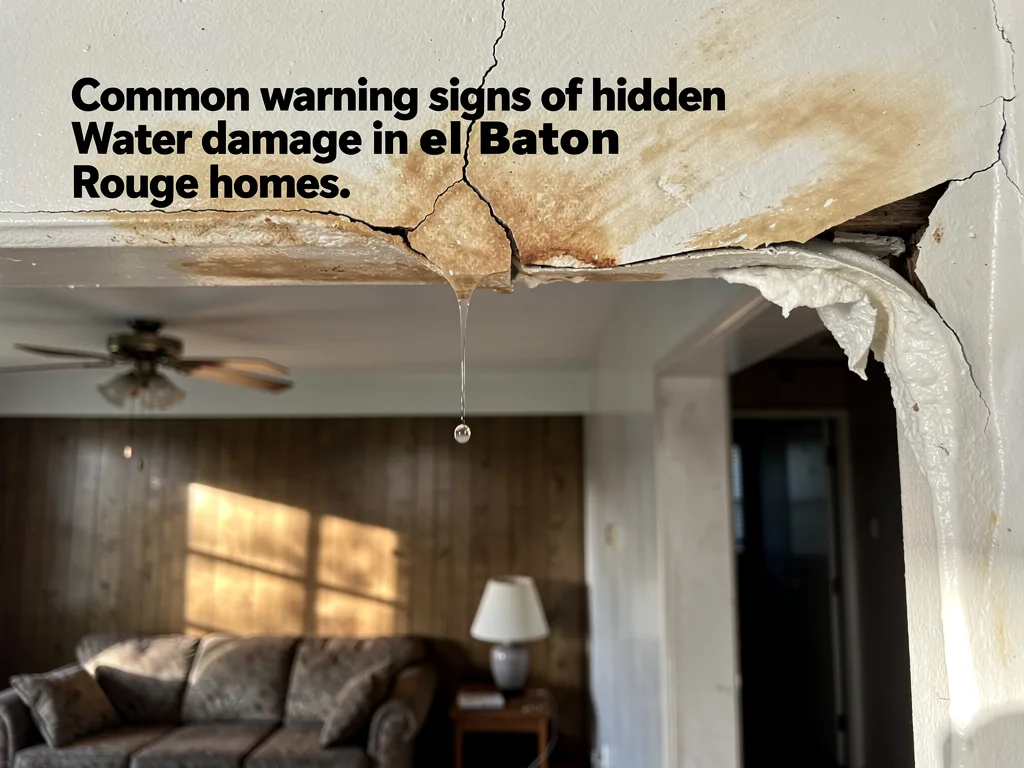
Beginning with a quick walk through your home can reveal trouble spots most homeowners miss. Look for ceiling spots after a heavy rain, check around windows for condensation, and inspect areas under sinks for any dampness. These are typical trouble zones in Baton Rouge homes.
Preventive steps you can take
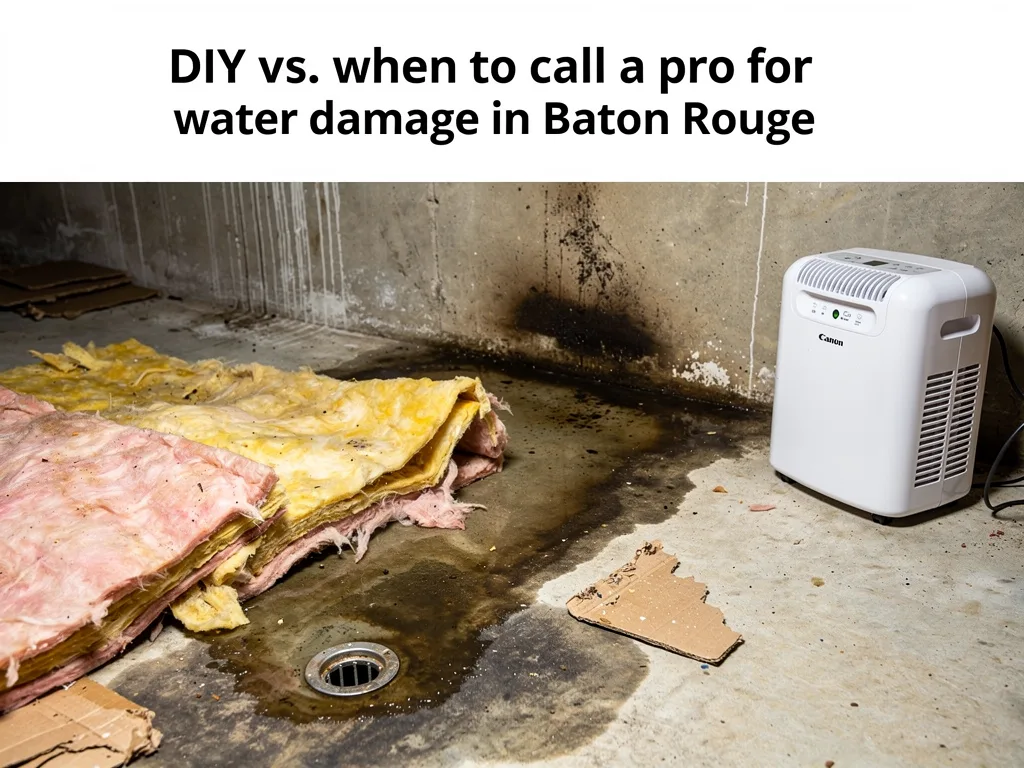
1) Improve ventilation. Use exhaust fans in kitchens and bathrooms and consider passive vents in damp spaces. 2) Manage humidity. A dehumidifier can help keep indoor moisture under control, especially in crawl spaces and basements. 3) Seal the envelope. Make sure exterior doors and windows are properly sealed to prevent outdoor moisture from seeping indoors. 4) Maintain gutters and drainage. Clean gutters regularly and keep downspouts aimed away from the foundation to avoid pooling near the home.
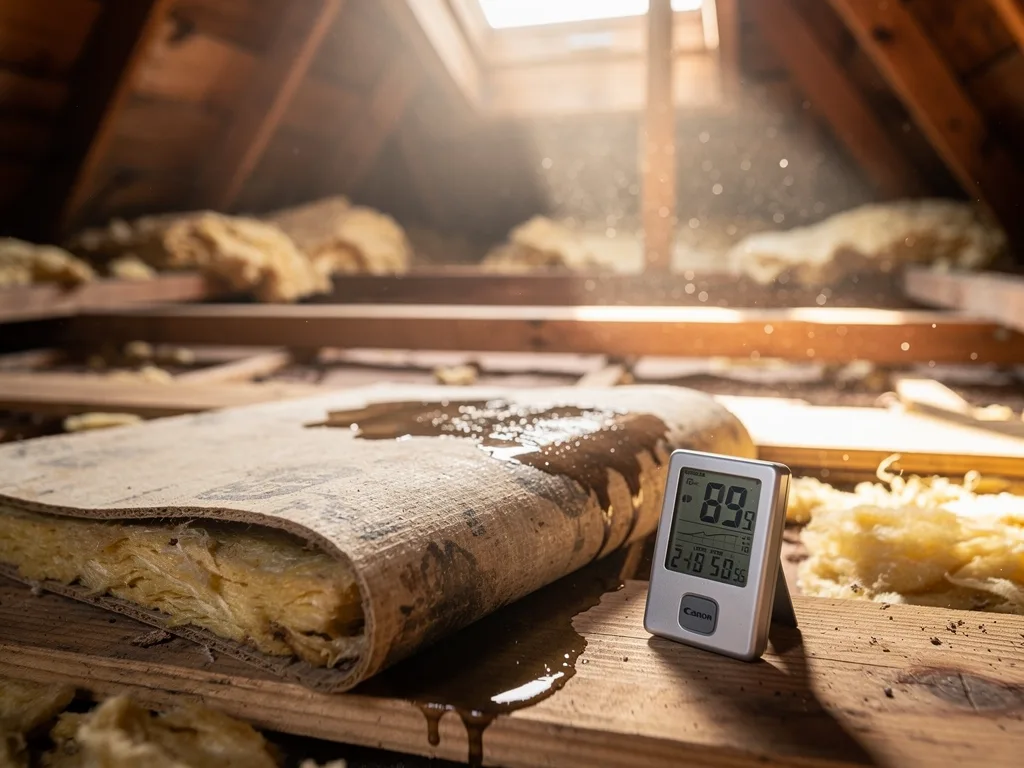
5) Check the roof and attic. In Baton Rouge, leaks often start above. Look for staining, warped decking, or signs of moisture near vents. If you see anything suspicious, call a restoration specialist to inspect. 6) Plan for storms. Have a one-page readiness checklist ready so you can act quickly if heavy rain hits. A little planning goes a long way.
What to do when you notice something off
If you notice new staining, a musty smell, or dampness that won’t go away, contact Baton Rouge Water Damage Services. Our restoration specialists can assess the situation, help you pinpoint the source, and lay out a plan to dry and restore the space with minimal disruption to your daily life.